LAJI
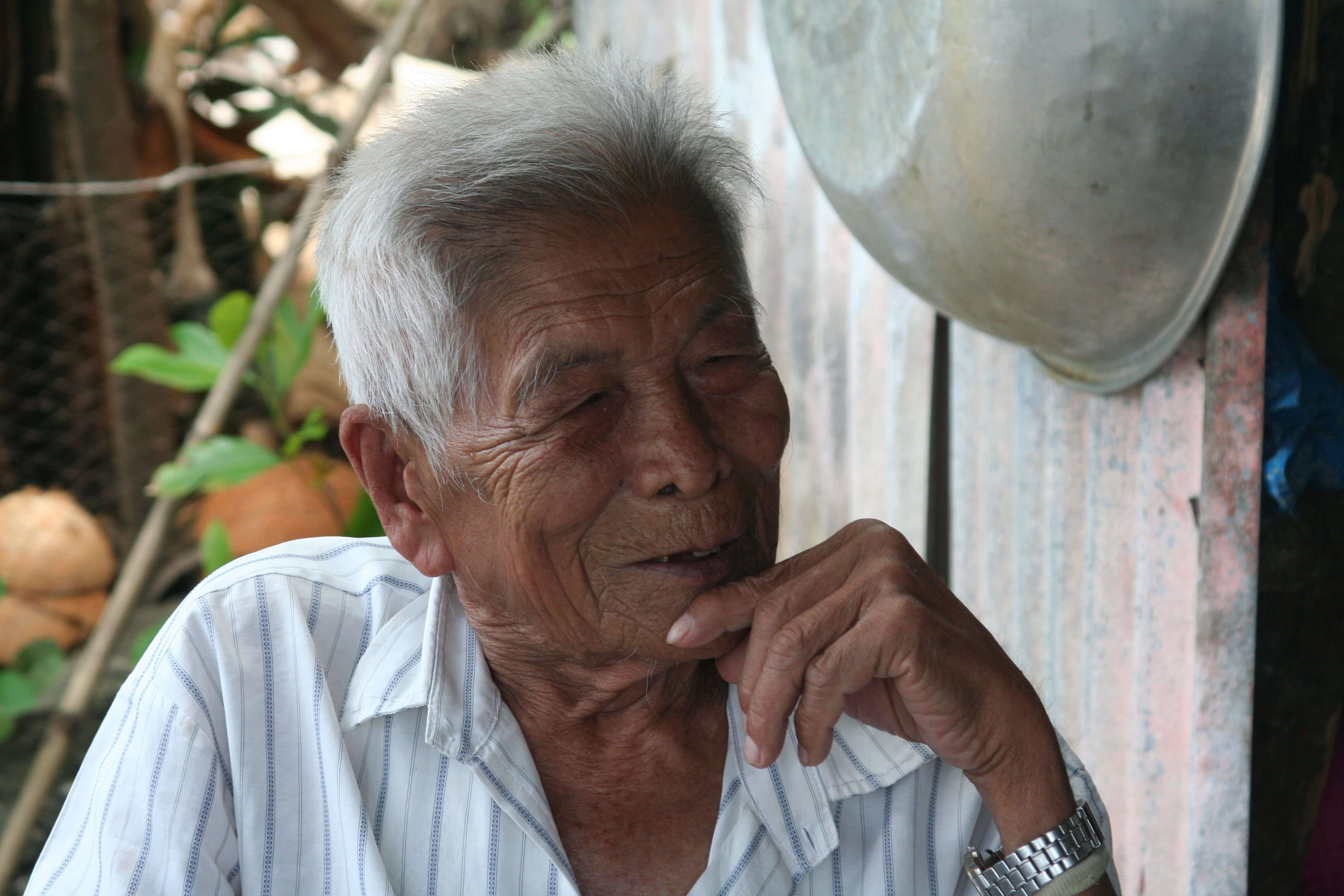
For generations, the Ivatan people of the northern Philippines have been singing Laji, a unique and ancient verbal art that combines melody with poetic language. It is traditionally recited in social settings, such as pre-wedding conferences, wakes and courtship. The playful and complex lyrics capture the communal spirit and the cultural knowledge of this remote indigenous community.
But today, the tradition — and the spirit and linguistic diversity it embodies — is in danger of vanishing.
This project is an effort to document and preserve Laji through field recordings, scholarship and eduational materials. Its purpose is to use multimedia tools to make Laji available to the Ivatans in Batanes and in the broader global community.
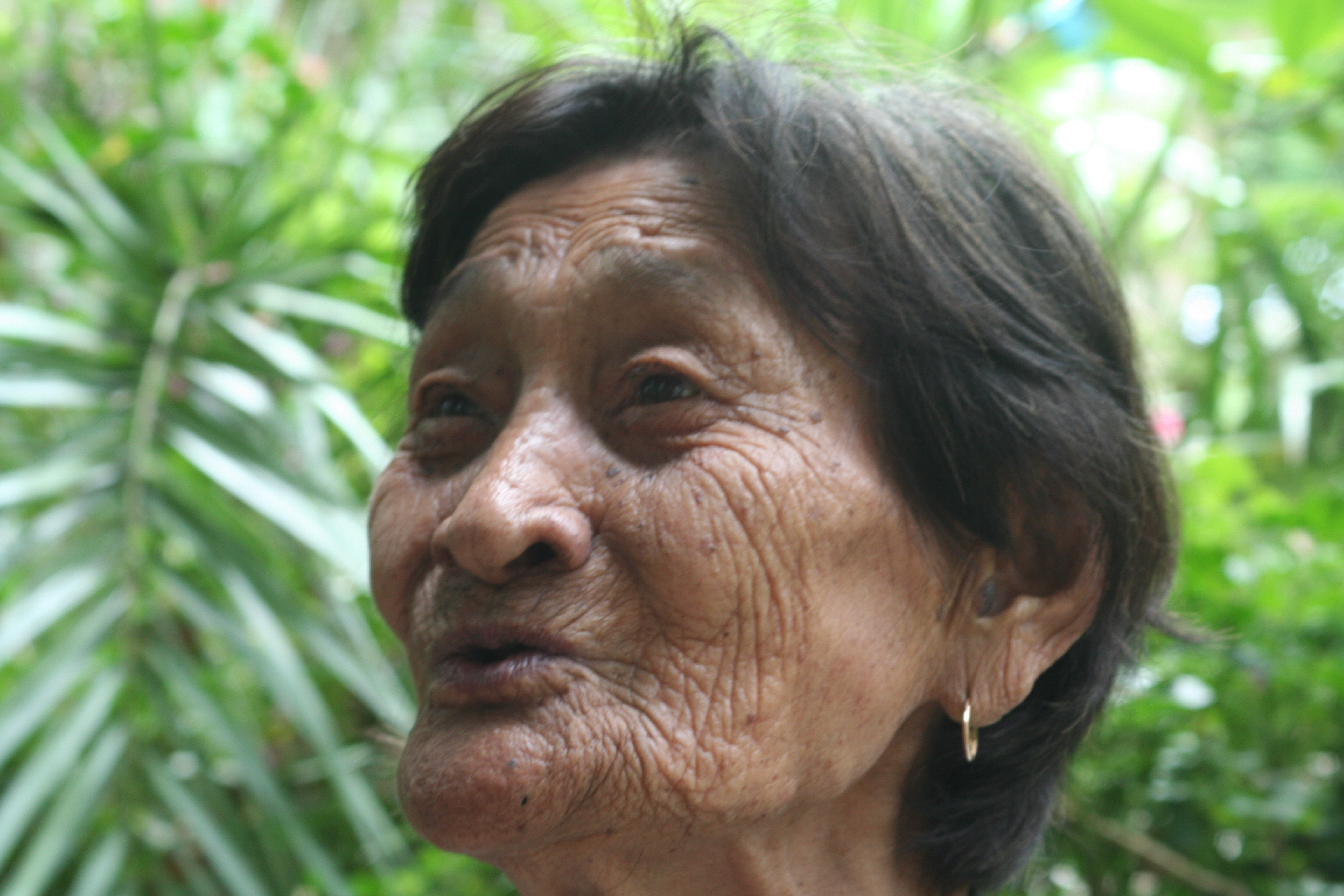
In July 2011, we completed the first phase of this project, with the compilation of a master audio CD of 40 original Lajis representing singers from all three islands of Batanes: Itbayat, Batan and Sabtang. We also held a community event to honor and recognize the Laji singers and the elders of Batanes.
In June 2016, we successfully completed a Kickstarter campaign to fund the production of the CDs to bring them to Batanes. Find out more here. You can also listen to more of the album and order it online via CD Baby here.
During the pandemic, we made some of the Lajis available via a podcast, Istorya Nu Ivatan. You can check out the special episode, called Celebrating Our Traditional Poetry. We continue the work presently, and in 2025, hope to continue further work to comprehensively transcribe the text of the Lajis and translate the lyrics into English, as well as continue the documentation process.
NOTE: The audio, video and text on this website draw from the collective cultural heritage of the Ivatans, a group recognized as an Indigenous people by the Philippine government. In accordance with the United Nations 2007 Declaration on Indigenous Rights, the Ivatan people have an inherent right to “maintain, protect and develop” their performing arts (Article II, Section 1). To that end, all content on this website is protected under intellectual property rights. The video, voice, songs, words and all other content found here are to be used solely for educational purposes. Any for-profit activity is strictly prohibited. If you would like to correspond about possible educational uses, please use the contact tab above. Dyus Mamahes!
ABOUT ME
Matatarek u katachiran
(Different ways of attaining solidarity.)

My name is Dorian Merina and I am the primary researcher and organizer of this project. I am a poet and a journalist deeply committed to the efforts of cultural and linguistic diversity. For two decades I have travelled through the Batan Islands to listen to, record and gather the stories and poetry of our people. I am a tribal member of the Ivatan community and of mixed ancestry. My family’s roots are in Vasay and Savidug in Batanes and in another island — New York — in the US. You can find more of my work as a poet and journalist at dorianmerina.com.
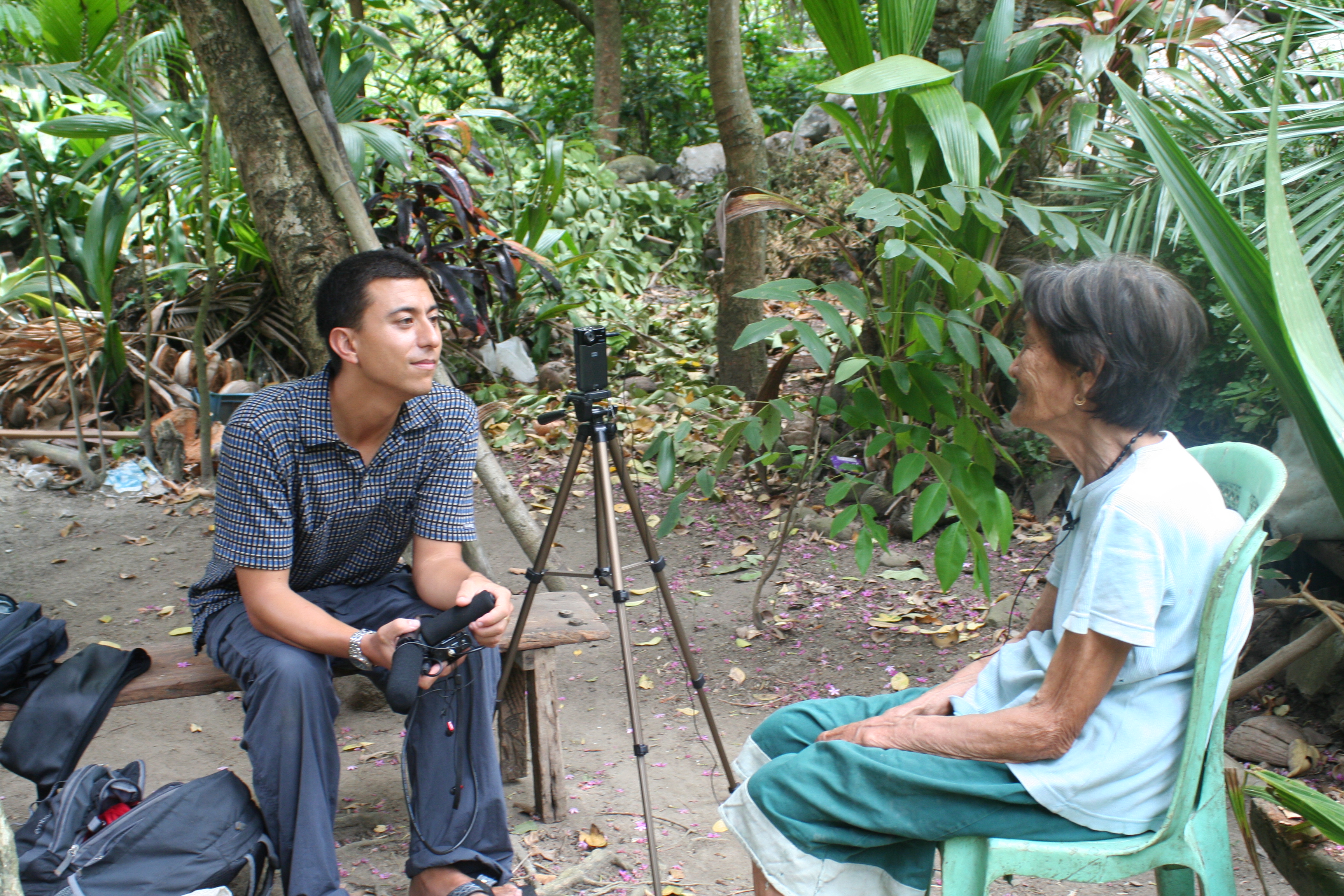
Like everything in Batanes, this project is a collective effort, drawing on the cooperation of many groups and individuals. The work was supported by a Fulbright research grant during the 2010-2011 year. Field work and research was conducted in cooperation with the Provincial Government of Batanes, the Department of Education (Batanes), and the University of the Philippines. Other support was provided by the National Council on Indigenous Peoples. Most of the beautiful photographs for this project were taken by Mitzi Imperial. Banner photograph of the view from Naidi Hill taken by Rebekah Kebede. A special acknowledgement is due to Dr. Florentino Hornedo, whose pioneering research in the 1970s into Laji formed the foundation for this current study. Without his timely and thorough scholarship many of the Lajis would most likely already have disappeared. His book, Laji: An Ivatan Folk Lyric Tradition (University of Santo Tomas Publishing), is essential reading for anyone interested in Laji and Ivatan culture. His guidance and encouragement in this project has been equally indispensable. Thanks are also due to the following individuals, who visited the remote villages with me, crossed the oceans, listened to the songs and helped with translation: Linda Cadiz (Ivana, Uyugan), Elvie Aguas (Mahatao), Froilan Mercado (Itbayat), Ernie Canela (Sabtang), Antonino Merina (Vasay), Julian Merina (Vasay, Mahatao, Ivana), Anastacia Merina (Manila). Thanks also to Luis Francia, Carmen Vicencio, and Loida Nicolas Lewis.


 Ivatan Laji
Leave a reply to Ashley Cancel reply